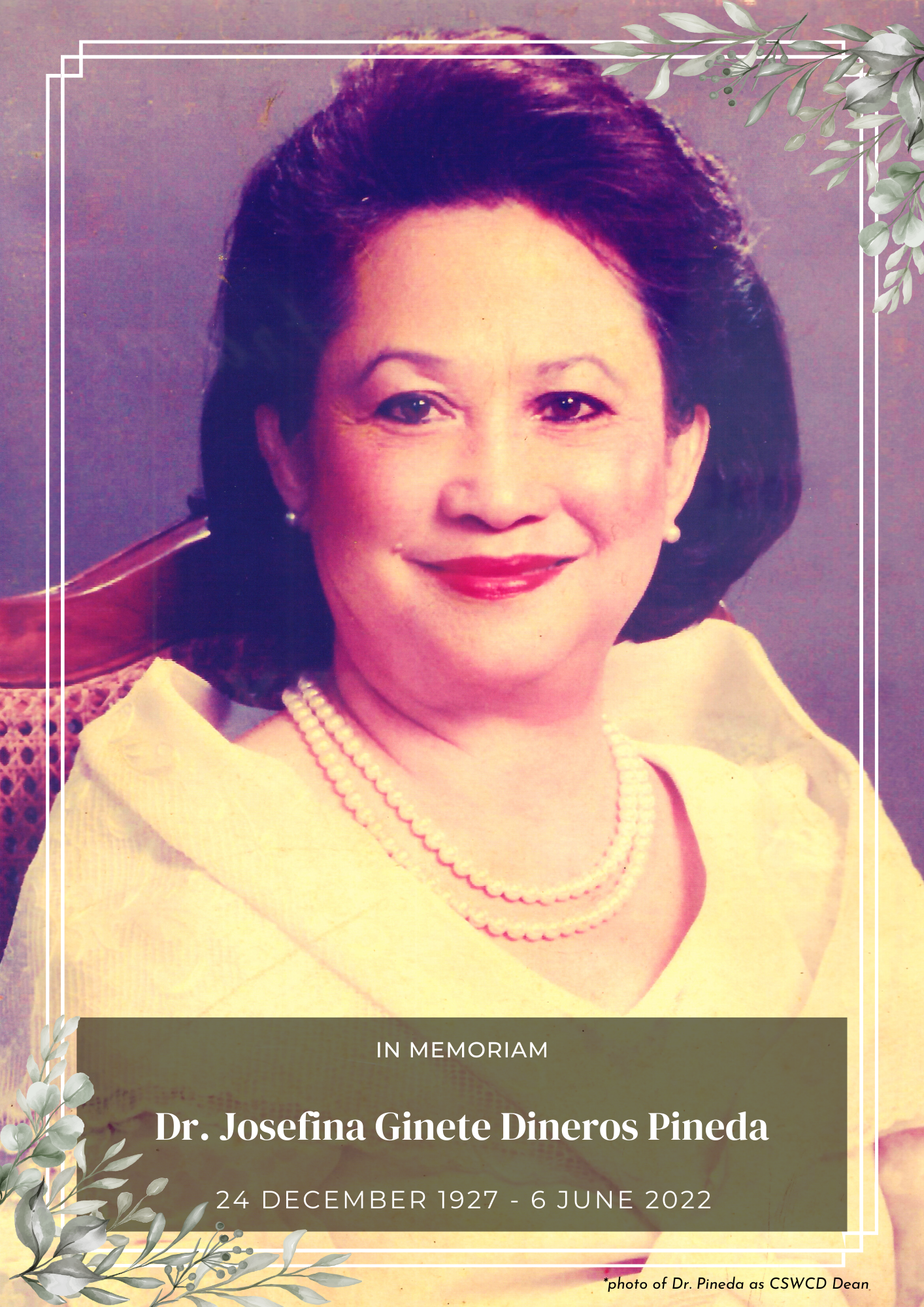
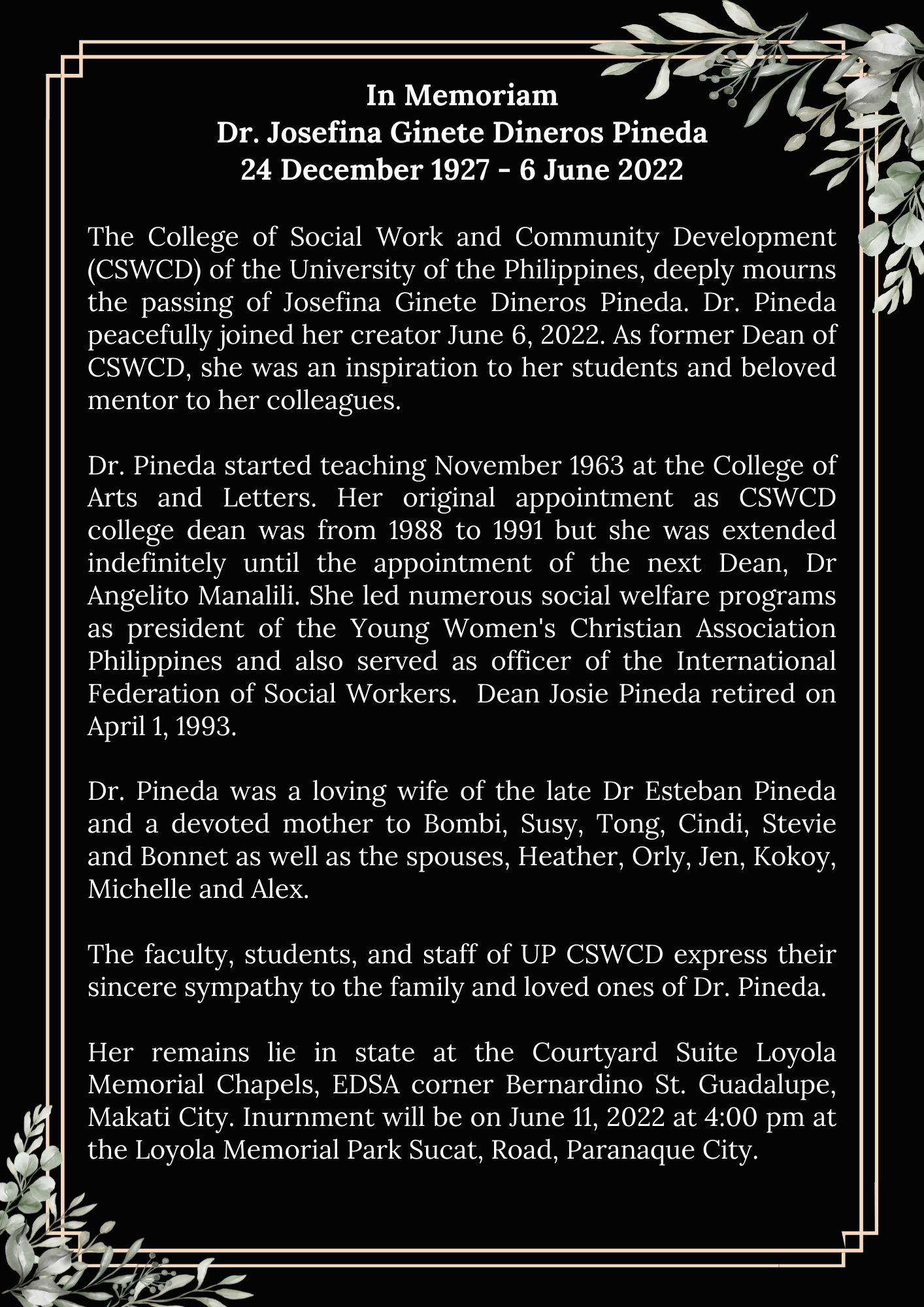
In Memoriam: Dr. Josefina Ginete Dineros Pineda (24 December 1927- 6 June 2022)

Colleagues from various social work organizations have appealed to the incoming president “to appoint a professional social worker for the secretary of the Department of Social Welfare and Development (DSWD) or within the qualifications of an experienced development worker, exposed and familiar to the wide range of welfare issues and social protection programs.” The collective…
Any election is defined as an exercise of rights and power of the people in forming the government that carries their mandate and implement their decision. This is the reason any electoral exercise has always been considered as a sacred act.
Yet this definition is far and even runs counter in practice and reality of our elections where the obligation to elect is significantly narrowed down by our choices among the candidates. The electoral landscape and the hold of power at various levels are painted by a dynasty rule of families and clans in the form and essence of feudal patronage politics. Positions from the local to the national level has been regularly shifting within members of families and among relatives of traditional politicians and have been reduced into political fiefdoms where the rule of the governance is amassing wealth in the name of public service. Together with the conditions and institutions, culture and mindset that support and promote it, feudal patronage politics prevents the realization and conscious engagement of the people in their democratic rights and freedom to decide and ensure the realization of their decisions. Consequently, what we have today is elite democracy instead of people’s democracy.
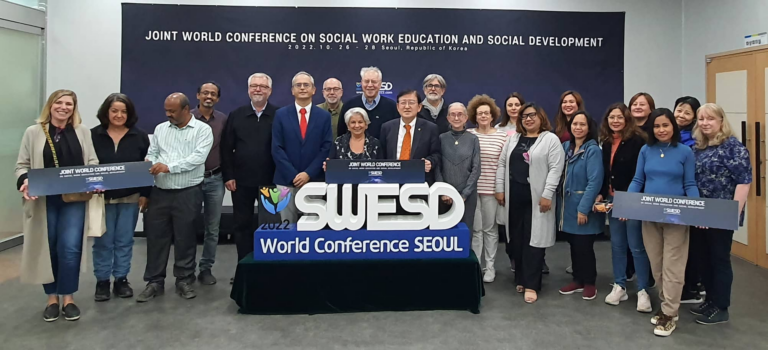
Faculty members from UP CSWCD’s Department of Social Work presented the initial results of the study, “Stories from the Field: Social Work at the Time of the Pandemic”, at the Joint Conference on Social Work Education and Social Development (SWESD) held on October 26 to 28, 2022, in Seoul, South Korea. The theme of SWESD…